

Myopia Management vs. Standard Glasses: Protecting Your Child’s Vision This School Year in League City
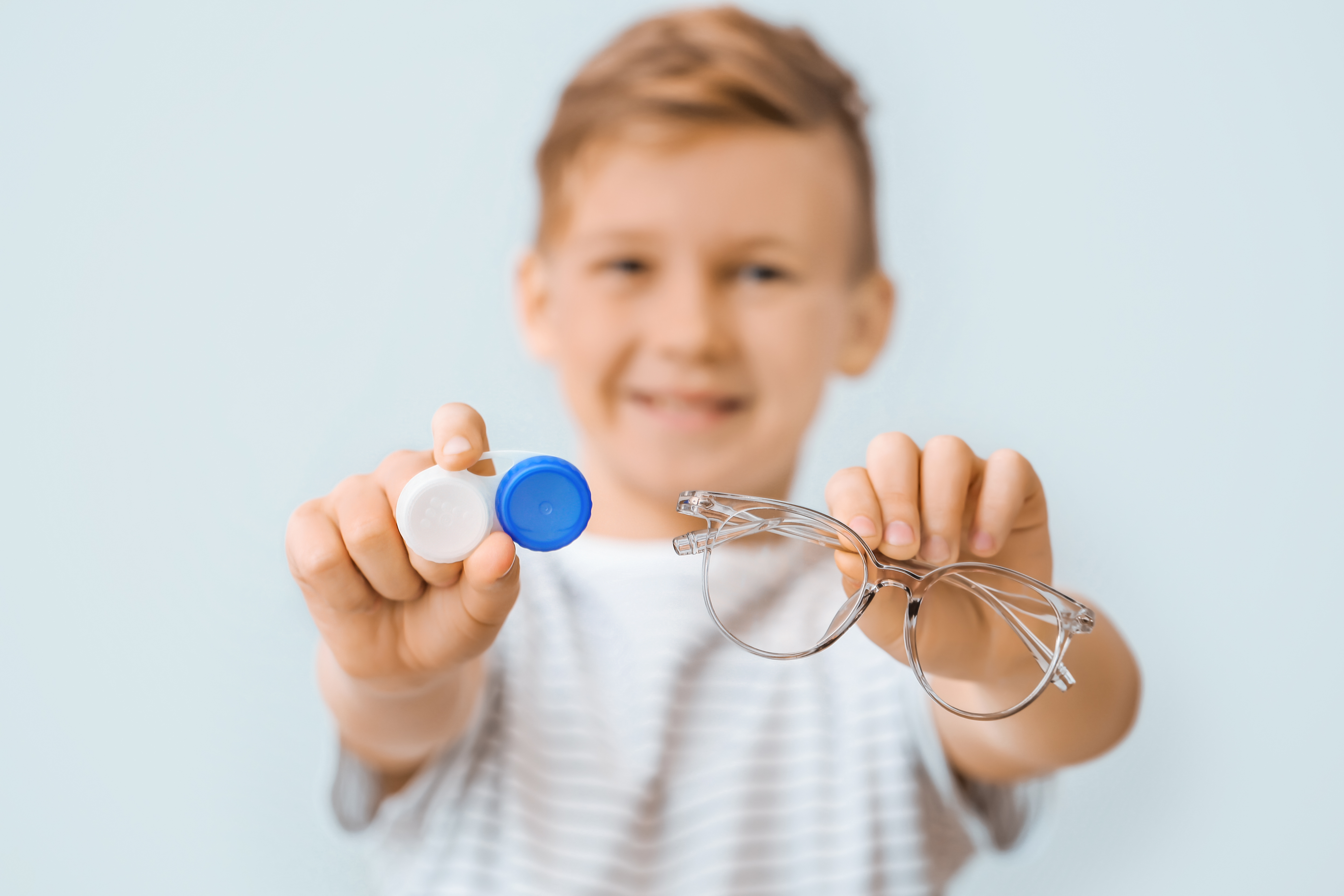
As children settle into another school year, clear vision plays an important role in classroom learning, reading, and extracurricular activities. For children with myopia, or nearsightedness, traditional glasses can improve distance vision, but they do not typically slow the condition's progression. At Restore Vision Center in League City, TX, we offer personalized myopia management to help children see clearly while addressing how their nearsightedness changes over time.
How Do Standard Glasses Help with Myopia?
Myopia occurs when light focuses in front of the retina instead of directly on it, often because the eye has grown too long. This causes distant objects, such as classroom boards and road signs, to appear blurry.
Standard prescription glasses correct this focusing problem, allowing children to see distant objects more clearly. However, conventional single-vision glasses do not generally slow the progression of myopia. As children grow, their prescriptions may continue to increase, requiring stronger lenses over time.
How Is Myopia Management Different?
Unlike standard glasses, myopia management focuses on slowing the progression of nearsightedness rather than simply correcting blurry vision.
This is particularly important during childhood because myopia often progresses throughout the school years. Higher levels of myopia are associated with an increased lifetime risk of certain eye conditions, including retinal detachment, glaucoma, and myopic macular degeneration.
By addressing myopia progression early, we aim to reduce how much nearsightedness worsens as children grow. While treatment cannot cure myopia or guarantee that progression will stop, it can help support long-term eye health.
Myopia Management Options for Children in League City
At Restore Vision Center, we evaluate each child's prescription, eye health, age, and lifestyle before recommending an appropriate approach. Myopia management options may include:
• Essilor Stellest Lenses: Specialized eyeglass lenses designed to correct blurry vision while helping slow myopia progression in eligible children.
• Orthokeratology (Ortho-K): Custom contact lenses worn overnight to temporarily reshape the cornea, providing clearer daytime vision while helping slow myopia progression.
• Multifocal Contact Lenses: Specialized soft contact lenses that correct nearsightedness while creating an optical effect designed to slow excessive eye growth.
• Low-Dose Atropine Eye Drops: Prescription eye drops that may help slow myopia progression and can be used alongside appropriate vision correction.
The most suitable treatment depends on your child's individual needs, and results can vary.
Signs Your Child May Need Myopia Management
Children may not always recognize when their distance vision becomes blurry. Parents should watch for frequent squinting, difficulty seeing classroom boards, sitting unusually close to screens, or repeatedly needing stronger prescriptions.
If your child already wears glasses and their prescription continues to change, a myopia management evaluation can help determine whether additional treatment is appropriate.
Supporting Healthy Vision Throughout the School Year
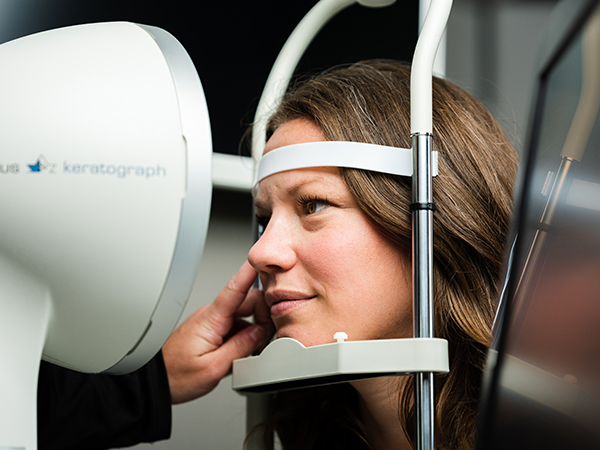
Routine pediatric eye exams are essential for detecting myopia and monitoring prescription changes. During these visits, we can evaluate your child's vision, assess eye health, and determine whether myopia management may be beneficial.
Encouraging regular outdoor activity, taking breaks during prolonged near work, and maintaining healthy visual habits can also support children's eye health. However, these habits do not replace professional myopia treatment when it is needed.
Schedule a pediatric eye exam at Restore Vision Center to learn more about personalized myopia management options for your child. Contact our office in League City, TX, by calling (281) 724-3040 to book an appointment today.
Hours of Operation
- Monday 9:00am - 5:30pm
- Tuesday 9:00am - 7:00pm
- Wednesday 9:00am - 5:30pm
- Thursday 9:00am - 5:30pm
- Friday 9:00am - 3:00pm
- Saturday Closed
- Sunday Closed
© 2026 Restore Vision Center. All rights Reserved. Accessibility Statement - Privacy Policy - Sitemap
Powered by:
