

What Is the Opposite of Myopia?

You may know that myopia is the term for nearsightedness, a condition where you can see things up close but struggle to see distant objects. It’s a common vision issue that affects many children and adults.
But what’s the opposite of myopia? While nearsightedness makes distant objects blurry, another condition does the exact reverse.
The direct opposite of myopia is a condition called hyperopia, more commonly known as farsightedness. People with hyperopia can see distant objects clearly, but struggle with close-up vision.
Hyperopia: The Opposite of Nearsightedness
Hyperopia, or farsightedness, is the opposite of myopia. If you have myopia, your distance vision is blurry. If you have hyperopia, it’s your close-up vision that becomes fuzzy and out of focus.
What Farsighted People See
Imagine your child can see the whiteboard at the front of the classroom perfectly but has trouble reading a book right in front of them. This is a common experience for someone with hyperopia.
Why It Happens
Hyperopia occurs when the eyeball is too short front-to-back. It can also happen if the cornea—the clear front surface of the eye—is flatter than it should be. These factors influence how your eyes refract light, producing an image in which close-up objects appear blurry.
Myopia & Hyperopia: Key Differences
It’s easy to get vision terms mixed up, but the main difference is simple. Myopia impacts your ability to see things far away, while hyperopia impacts your ability to see things up close. Understanding what causes myopia to worsen can help you spot the signs.
Signs of Myopia in Your Family
Distant objects appear blurry
Squinting to see things far away
Eye strain or headaches
Signs of Hyperopia in Your Family
Close-up objects look out of focus
Squinting to read or use a tablet
Headaches or eye strain after doing close work
What About Age-Related Farsightedness?
You might have also heard about presbyopia, an age-related condition that also causes blurry near vision. Though the symptoms are similar to hyperopia, the causes are different: presbyopia arises due to the lens of the eye becoming less flexible with age.
Presbyopia vs. Hyperopia
Hyperopia is related to the shape of your eyeball and is often present from a young age. Presbyopia, on the other hand, happens when the lens inside your eye becomes less flexible over time. This change typically starts around your 40s and is why many adults find themselves needing reading glasses.
Another Common Vision Issue: Astigmatism
Astigmatism is another condition that can cause blurry vision, but it’s different from both myopia and hyperopia. It’s caused by an irregular shape of the cornea or lens. Astigmatism makes vision blurry or distorted at all distances—not just near or far.
How Eye Doctors Correct Your Vision
If you or a family member has blurry vision, there are several simple options to help you see clearly.
Glasses & Contact Lenses
Eyeglasses and contact lenses are the most common ways to correct vision issues. These devices are both designed to bend light as it enters your eye, thereby correcting for the causes of blurry vision. An eye exam can determine the right prescription for clear vision.

Surgical Options
For some adults, laser eye surgery can offer vision correction. For many people, this can reduce or even eliminate the need for glasses or contacts.
When to Visit Eye Doctors in League City
Changes in your vision often happen slowly, so you may not notice them right away. Regular eye exams are an important part of your family’s health routine. This is especially true for children, as their eyes are still developing.
The Importance of Regular Eye Exams
An eye exam can identify vision conditions early on, which can make a big difference for your child at school and in sports. For adults, it helps keep your vision clear for work, driving, and all of your daily activities. It’s a simple step to keep your family’s eyes healthy.
What to Expect at an Appointment
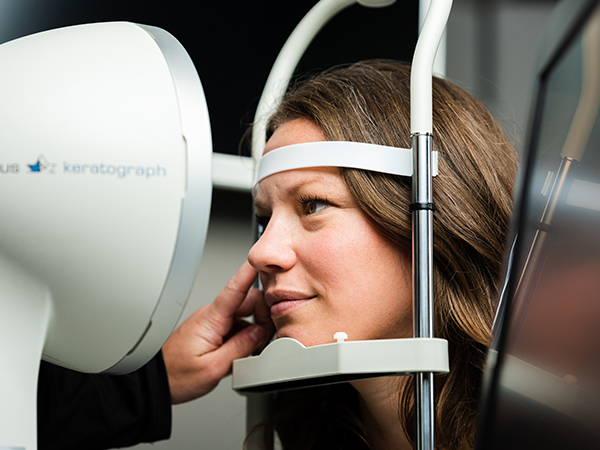
A comprehensive eye exam is a simple and comfortable process. We’ll do things like ask you to read letters from a chart to check your vision at different distances. We also perform other quick checks to see how your eyes focus, which helps us find the exact support you need.
At Restore Vision Center, we enjoy building long-term relationships and providing a lifetime of care for you and your family. If you have questions about your vision or are looking for eye doctors in League City, we invite you to schedule a visit with our team. We’re here to help you see a clearer future.

Hours of Operation
- Monday 9:00am - 5:30pm
- Tuesday 9:00am - 7:00pm
- Wednesday 9:00am - 5:30pm
- Thursday 9:00am - 5:30pm
- Friday 9:00am - 3:00pm
- Saturday Closed
- Sunday Closed
© 2026 Restore Vision Center. All rights Reserved. Accessibility Statement - Privacy Policy - Sitemap
Powered by:
