

When Should Kids Get an Eye Exam?
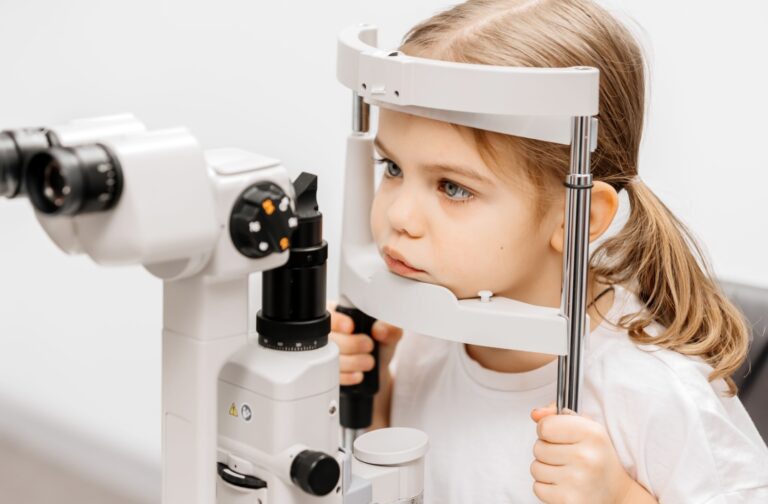
As parents, we want to give our kids the best possible start in life. Healthy vision plays a big role in their learning, development, and confidence. So, when should kids get an eye exam?
Children should have their first comprehensive eye exam at 6 months old, another around age 3, once more before starting school, and then regularly every 1–2 years after that unless their eye doctor recommends otherwise.
Eye exams aren’t just about making sure your child can see the board in class—they’re also important for detecting early signs of eye conditions that could affect long-term vision and development. Let’s break down why children’s eye exams matter, when they should happen, and what parents can expect.
Why Kids Need Eye Exams Early
Children rely heavily on their vision to learn and explore the world. In fact, experts estimate that up to 80% of a child’s learning is visual. If vision issues go undetected, this can lead to struggles with reading, delayed development, poor hand-eye coordination, or even behavioural challenges that may be mistaken for attention issues.
Unlike adults, kids don’t always know how to describe what they’re experiencing. They may assume blurry vision is “normal,” or they may compensate in other ways, which makes it harder for parents or teachers to spot a problem. Routine eye exams are the only reliable way to detect concerns early and provide timely treatment.
Recommended Eye Exam Schedule for Kids
According to the American Optometric Association (AOA), children should have eye exams at the following intervals:
Infants (6 months old): The first comprehensive eye exam should happen around 6 months of age. At this stage, the optometrist checks for healthy eye alignment, movement, and general development.
Toddlers (around age 3): Another exam around age 3 helps identify early issues like lazy eye (amblyopia), crossed eyes (strabismus), or refractive errors.
Before school (ages 5–6): A check-up before starting kindergarten ensures your child can see clearly for learning activities.
School years (6–18): School age kids should have an eye exam every year. This helps us identify potential vision issues (like myopia) early.
This schedule helps monitor changes as children grow and ensures problems are caught before they interfere with school and daily life.
What Happens During a Kid’s Eye Exam?
Many parents worry their child might feel nervous, but eye exams for kids are designed to be comfortable and age-appropriate. Depending on their age, the exam may include:
Checking eye alignment and movement
Assessing visual acuity (using letters, shapes, or pictures)
Testing depth perception and colour vision
Evaluating the health of the front and back of the eye
Screening for refractive errors like nearsightedness (myopia), farsightedness (hyperopia), or astigmatism
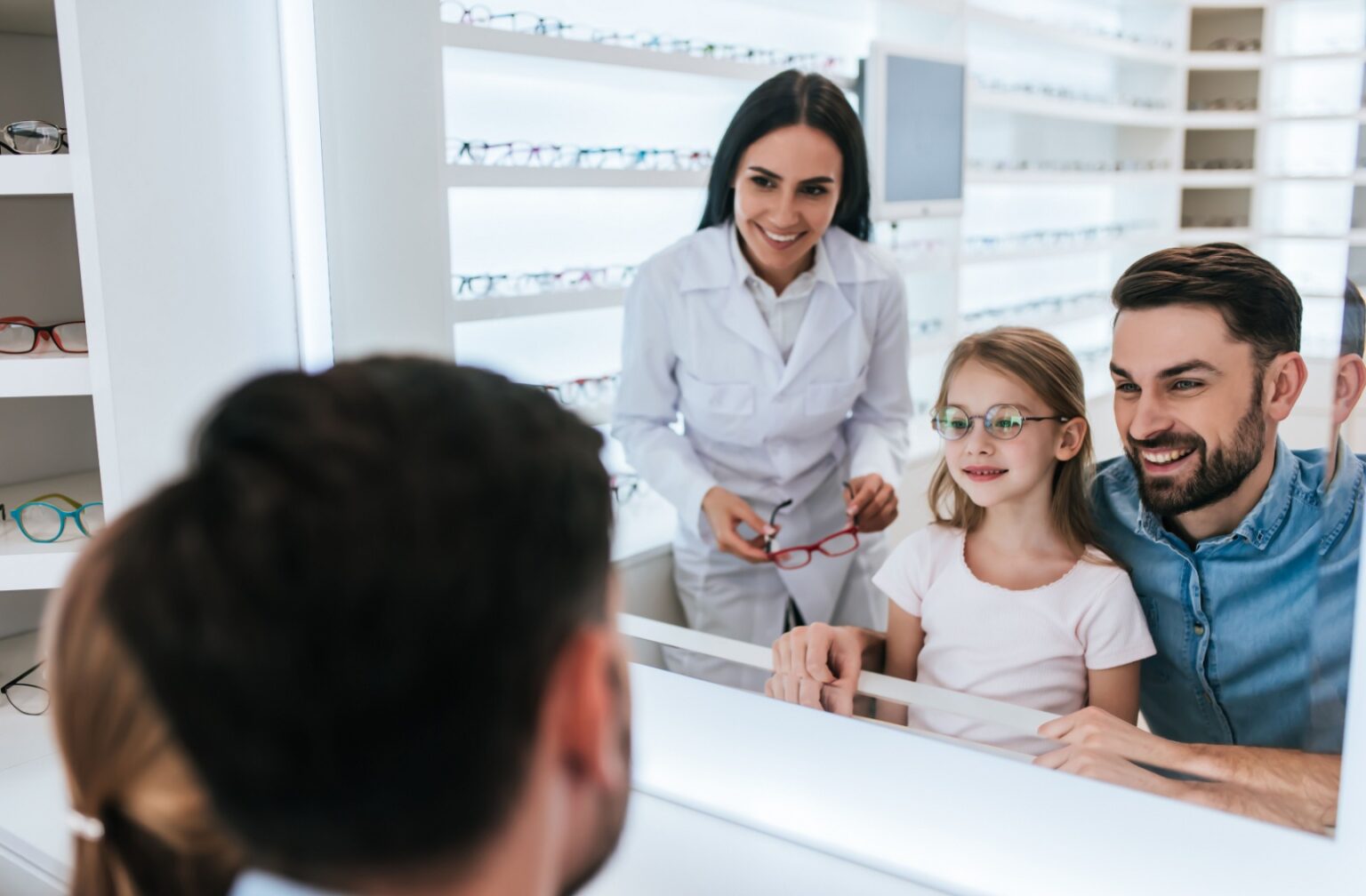
If your child needs corrective lenses, your optometrist will provide a prescription and help guide you on choosing glasses designed for kids.
FAQs About Children’s Eye Exams
How do I know if my child needs an eye exam sooner?
Some signs that may indicate a vision issue include:
Squinting or tilting the head
Sitting very close to the TV or holding books close to their face
Frequent eye rubbing or complaints of tired eyes
Trouble focusing on schoolwork
Headaches or eye strain
Difficulty with hand-eye coordination or sports
If you notice any of these behaviours, schedule an eye exam as soon as possible.
Do school vision screenings replace eye exams?
No. While school screenings can detect some vision issues, they don’t check eye health or cover all possible conditions. A comprehensive eye exam by an optometrist is much more thorough.
Is it safe for babies & toddlers to have an eye exam?
Yes. Pediatric eye exams are safe, non-invasive, and tailored for your child’s age. Optometrists use lights, pictures, and gentle tests that don’t require your child to know letters or numbers.
How often should kids with glasses get an exam?
Children who wear glasses or contact lenses should generally have an annual exam. Kids’ eyes can change quickly, and frequent check-ups ensure their prescription stays accurate.
What if my child is diagnosed with an eye condition?
Early treatment can make a huge difference. Conditions like amblyopia (lazy eye) are much easier to correct when caught early. Your optometrist may recommend glasses, patching, vision therapy, or other treatment depending on the issue.
Benefits of Regular Eye Exams for Kids
Eye exams do more than just check vision—they also:
Support learning and school performance
Help kids participate confidently in sports and activities
Detect eye health issues early, when treatment is most effective
Build lifelong healthy habits for vision care
The earlier vision problems are diagnosed, the greater the chance of successful treatment. Regular exams give children the best opportunity to see clearly and thrive.
Help Your Child See Their Best
Good vision is essential to a child’s growth, learning, and confidence. Comprehensive eye exams from infancy through the teenage years can make a lifelong difference in their eye health. If it’s time for your child’s next eye exam, book an appointment today with Restore Vision Center in League City, TX. Our experienced team is here to provide thorough, kid-friendly care to help your child see and succeed.

Hours of Operation
- Monday 9:00am - 5:30pm
- Tuesday 9:00am - 7:00pm
- Wednesday 9:00am - 5:30pm
- Thursday 9:00am - 5:30pm
- Friday 9:00am - 3:00pm
- Saturday Closed
- Sunday Closed
© 2026 Restore Vision Center. All rights Reserved. Accessibility Statement - Privacy Policy - Sitemap
Powered by:
