

Why Clear Lake Winters Trigger Severe Dry Eye (And What League City Residents Can Do)

Winter in the Clear Lake area may be mild compared to other parts of the country, but seasonal weather changes can still affect your eye comfort. Cooler winds, indoor heating, and fluctuating humidity can worsen dry eye symptoms, leaving your eyes irritated, watery, or uncomfortable. At Restore Vision Center, we help patients in League City understand these seasonal triggers and find effective ways to manage dry eye disease.
Why Does Dry Eye Get Worse During Winter?
Dry eye occurs when your eyes do not produce enough tears or when tears evaporate too quickly. Your tear film relies on a healthy balance of water, oil, and mucus to keep your eyes lubricated and comfortable. During winter in Clear Lake and League City, several environmental factors can disrupt this balance.
Cold fronts often bring stronger winds that increase tear evaporation. Meanwhile, indoor heating can reduce humidity, causing tears to evaporate faster. Even in the typically humid Gulf Coast climate, these conditions can make existing dry eye symptoms more noticeable.
People with meibomian gland dysfunction (MGD), a condition affecting the oil-producing glands in the eyelids, may be particularly sensitive to these changes.
Common Signs of Winter Dry Eye
Winter-related dry eye symptoms can range from occasional irritation to persistent discomfort. Some patients experience burning, redness, or a gritty sensation, while others notice excessive watering or fluctuating vision.
Increased screen time during colder months can also contribute to discomfort. When using digital devices, we tend to blink less frequently, allowing tears to evaporate more quickly. If these symptoms continue despite using artificial tears, an underlying dry eye condition may require further evaluation.
How to Prevent Winter Dry Eye Symptoms
Fortunately, small adjustments to your daily routine can help protect your eyes during the colder months. We recommend the following strategies for our League City patients:
• Use a humidifier: Maintain comfortable indoor humidity to help reduce excessive tear evaporation.
• Avoid direct airflow: Keep heating vents and car heaters from blowing directly toward your face.
• Take regular screen breaks: Follow the 20-20-20 rule and remember to blink fully when using digital devices.
• Try lubricating eye drops: Preservative-free artificial tears may help relieve dryness and irritation.
• Apply warm compresses: Gentle warmth may help support healthy oil gland function when used appropriately.
• Protect your eyes outdoors: Wear protective glasses or sunglasses to reduce exposure to cold winds.
While these habits can improve comfort, persistent dry eye symptoms may require professional treatment.
When Should You Consider Professional Dry Eye Treatment?
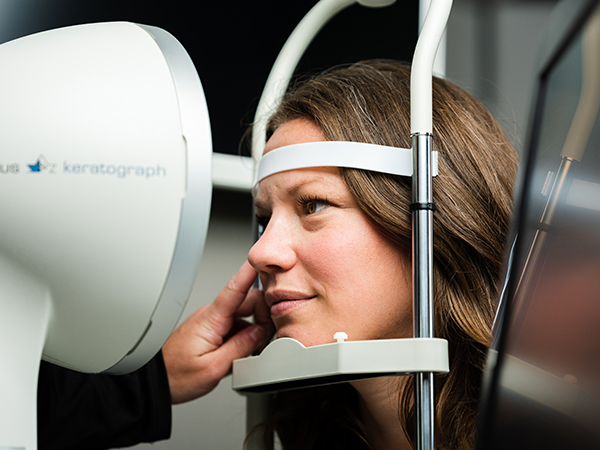
If winter dryness interferes with reading, driving, wearing contact lenses, or other daily activities, we recommend scheduling a dry eye evaluation. At Restore Vision Center, we examine tear quality, meibomian gland function, and signs of inflammation to identify potential causes of discomfort.
Depending on our findings, we may recommend treatments such as MiBoFlow, low-level light therapy (LLLT), ZEST eyelid cleaning, meibomian gland expression, or prescription eye drops. Our goal is to develop an individualized treatment plan that addresses your specific needs rather than simply masking symptoms.
If colder weather is making your dry eye symptoms worse, schedule a comprehensive dry eye evaluation with Restore Vision Center to explore personalized treatment options. Visit our office in League City, TX, or call (281) 724-3040 to book an appointment today.

Hours of Operation
- Monday 9:00am - 5:30pm
- Tuesday 9:00am - 7:00pm
- Wednesday 9:00am - 5:30pm
- Thursday 9:00am - 5:30pm
- Friday 9:00am - 3:00pm
- Saturday Closed
- Sunday Closed
© 2026 Restore Vision Center. All rights Reserved. Accessibility Statement - Privacy Policy - Sitemap
Powered by:
