

Dry Eye Treatment
We use our eyes all day long, but we rarely think of them—unless they’re uncomfortable, and then they’re all we think about. Adults might turn to redness-relieving eye drops, while kids often rub their eyes. But neither strategy tackles the true cause of tired, scratchy eyes.
Dry eye is a chronic, common, and uncomfortable condition, impacting more than 16 million Americans. Not only is it irritating, but it can really put a damper on your daily activities. Dry eyes can decrease your quality of life and hinder productivity.
But relief is available! Book an exam today for a comprehensive eye exam to diagnose your dry eye symptoms. If left untreated, dry eye can lead to long-term infections and eye damage down the road. Any time your eyes are uncomfortable, it’s best to pay us a visit and rule out more problematic conditions.
Book Appointment
Symptoms of Dry Eye
Dry Eye symptoms may include:
Stinging or burning
Gritty or scratchy feeling
Red or watery eyes
Blurry vision
Sensitivity to light
Eye fatigue
Stringy mucus in or around your eyes
Discomfort when wearing contacts
Fluctuating Vision
If you are experiencing any of these dry eye symptoms, book your appointment to find relief today.
Book Appointment
What Is Dry Eye Syndrome?
Dry Eye Disease is a condition in which the ocular surface is compromised due to insufficient tears or poor-quality tears.
There are 2 main types of dry eye. The first—and least common—occurs when the eyes simply don’t produce enough tears. The second occurs when the tears are of poor quality.
You may have one or both types of dry eye disease. Inflammation is usually a contributor and may be present in either one of these types.
Decreased Tear Production
Reasons for decreased tear production are varied and might include:
Contact lens wear
Normal aging
Medications such as antihistamines or antidepressants
Medical conditions such as lupus, rheumatoid arthritis, or Sjögren’s Syndrome
Recent laser vision correction surgery
Poor-Quality Tears
Good-quality tears depend on a balanced and effective tear film. The tear film is made up of 3 layers—a mucus layer to spread the tears over the surface of the eye, a water layer to hydrate the eye, and an oil layer to keep the water from evaporating too quickly. If there’s an imbalance in the tear film, dry eye syndrome can result.
The tiny glands along the top and bottom edges of the eyelids, called the meibomian glands are responsible for producing the oil layer of your tear film. Blockages in these glands can cause a reduction in the amount of oil produced, leading to dry eyes.
When we diagnose your dry eye syndrome, we’ll also look at the condition of your meibomian glands and recommend treatment options if they’re not functioning properly.
What is a Dry Eye Evaluation?
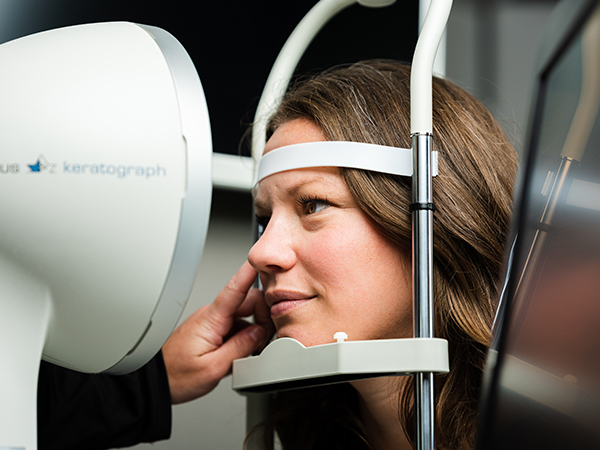
Dr. Eickhoff specializes in the diagnosis, treatment and management of dry eye disease. At a comprehensive dry eye evaluation a series of tests are done to determine which form of dry eye is most prevalent in your condition and to what extent inflammation is involved. Some of these tests include taking a collection of tears, putting stains or dyes in the tears, taking videos and images of the cornea, tear film and glands, and assess gland function. All this information will help Dr. Eickhoff write a treatment program specific to you and your condition and will establish a baseline for measuring progress. Call to schedule your Dry Eye Evaluation today and get on the path to more healthy comfortable eyes!
Finding Relief From Dry Eyes
Many treatment options are available for dry eye disease, and Dr. Eickhoff will use the information from your dry eye evaluation to determine the best plan tailored for you. Treatment may include lubricating drops, eyelid hygiene, supplements, prescription drops, and/or in-office treatments.
Some treatments offered at Restore Vision Center include:
BlephEx
AmnioFlo
Vital Tears
Ocusoft
We Love Eyes
Bruder
Oasis Tears
RetaineMGD
Xiidra
Restasis
KlarityC
RegenerEyes
Prokera
Cequa
Miebo
MiboFlow
LLLT
Zest
Zocular
Book Appointment

Hours of Operation
- Monday 9:00am - 5:30pm
- Tuesday 9:00am - 7:00pm
- Wednesday 9:00am - 5:30pm
- Thursday 9:00am - 5:30pm
- Friday 9:00am - 3:00pm
- Saturday Closed
- Sunday Closed
© 2026 Restore Vision Center. All rights Reserved. Accessibility Statement - Privacy Policy - Sitemap
Powered by:
