

Can a Sinus Infection Cause Dry Eyes?

Sinus infections are common and can bring a lot of discomfort, from nasal congestion to headaches. But did you know that a sinus infection can also cause dry eyes? The inflammation and pressure from a sinus infection can affect your eyes, leading to dryness and irritation.
Let’s have a look at how sinus infections and dry eyes are connected and what you can do to find relief.
What Is a Sinus Infection?
A sinus infection, or sinusitis, is when the sinuses (the hollow spaces in your skull behind your forehead, cheeks, and eyes) become inflamed or infected. This can happen due to an infection, allergies, or other irritants. Common symptoms include:
Nasal congestion
Runny nose
Facial pain
Headaches
Fever (sometimes)
Sinus infections can be acute (lasting up to four weeks) or chronic (lasting for months or even years). Chronic sinusitis is often caused by long-term issues like allergies, nasal polyps, or ongoing bacterial infections.
What Are Dry Eyes?
Dry eyes occur when your eyes don’t produce enough tears or when your tears evaporate too quickly. This lack of moisture causes irritation and discomfort, and can lead to more serious eye problems. Symptoms of dry eyes include stinging, burning, a gritty feeling, redness, blurry vision, and sensitivity to light.
Tears are important for protecting your eyes, washing away debris, and keeping the surface of your eyes healthy. When tear production is too low or the tear film isn’t stable, dry eyes can result.
The Connection Between Sinus Infections & Dry Eyes
While it might seem unusual that a sinus infection could cause dry eyes, the connection actually makes sense when you understand how the anatomy and physiology of your face work together.
1. Nasal Passages & Tear Drainage
The sinuses and tear ducts are interconnected. Your tear ducts, which help drain excess tears from your eyes, empty into your nasal passages. If you have a sinus infection, the inflammation in your nasal passages can cause pressure that affects the tear drainage system, potentially causing dry eye.
2. Sinus Infection Inflammation
A sinus infection can cause inflammation in the surrounding tissues, including those near the eyes. This swelling can put pressure on the tear glands, resulting in decreased tear production, which may lead to dry eye symptoms.
3. Medications
Many medications prescribed to treat sinus infections—like antihistamines and decongestants—can also contribute to dry eyes. These medications can reduce tear production as a side effect, making dry eyes worse during or after a sinus infection.
Types of Sinus Infections
There are several types of sinus infections, and each can have varying impacts on your eyes:
Acute Sinusitis
This type of sinus infection typically lasts for a few weeks and is often caused by a viral infection such as a cold. Symptoms can include facial pain, pressure, congestion, and sometimes mild eye irritation.
Chronic Sinusitis
Chronic sinus infections can last for months and often stem from bacterial infections, nasal polyps, or other structural issues. This condition can cause persistent inflammation, potentially affecting the eyes over time and leading to more severe dry eye symptoms.
Allergic Rhinosinusitis
When allergies trigger sinus inflammation, this can affect both the sinuses and the eyes. If your sinuses are congested due to allergens like pollen or pet dander, the resulting inflammation can lead to dry eyes, along with other allergy-related eye symptoms, such as itchiness and redness.
Can a Sinus Infection Cause Long-Term Dry Eye Issues?
For most people, dry eye symptoms during a sinus infection are temporary and resolve once the sinus infection clears up. However, if you experience chronic sinus issues or frequent sinus infections, this can lead to long-term dryness and irritation of the eyes. Chronic inflammation can damage the tear ducts and glands, leading to persistent dry eye symptoms even when the sinus infection is not active.

Dry Eye Evaluation: What to Expect
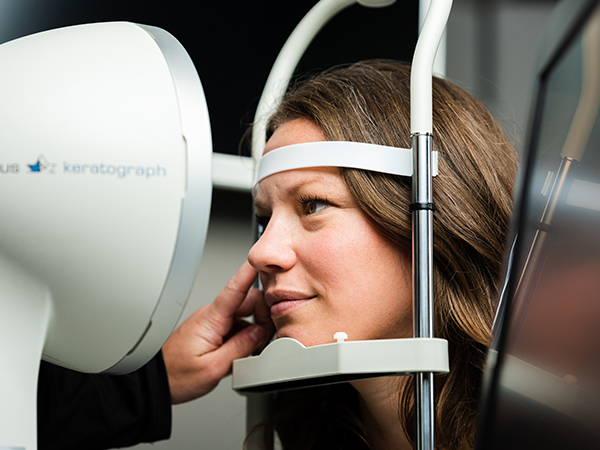
If you’re experiencing dry eyes along with sinus issues, it’s a good idea to consult an eye care professional for a thorough dry eye evaluation. During this evaluation, your eye doctor will assess the following:
Tear production: Your doctor may perform tests to measure how much tear production you have, including a test where special dye is applied to your eyes to see how quickly tears evaporate.
Eye surface health: Your doctor will examine the surface of your eyes for signs of damage caused by dryness, such as irritation or inflammation of the cornea.
Meibomian gland function: The function of the glands that produce oils in your tear film will be checked to ensure they are not blocked or dysfunctional.
Once the cause of your dry eyes is determined, your doctor will recommend appropriate treatment, which may include eye drops, medications, or lifestyle changes. In cases where the dry eyes are linked to a sinus infection, addressing the underlying sinus issue will also be part of the treatment plan.
FAQs About Sinus Infections & Dry Eyes
Can a sinus infection cause permanent dry eyes?
While a sinus infection itself won’t usually cause permanent dry eyes, chronic sinus problems can contribute to long-term dryness if left untreated. The ongoing inflammation and pressure on tear ducts or glands can result in persistent dryness.
How can I prevent dry eyes during a sinus infection?
Staying hydrated, using saline nasal sprays, and employing warm compresses for your eyes can help alleviate dry eye symptoms during a sinus infection. Also, avoid medications that dry out your eyes, if possible, or discuss alternatives with your healthcare provider.
Can dry eyes make my sinus infection worse?
While dry eyes don’t directly worsen a sinus infection, the discomfort from dry eyes can make you more sensitive to other sinus symptoms, like headaches or facial pressure. Managing both conditions at the same time can improve overall comfort.
Addressing Your Dry Eye Needs
If you are struggling with dry eyes, particularly in connection with a sinus infection, it’s important to get the right care. At Restore Vision Center, we offer comprehensive evaluations and treatments for dry eyes, so you can find relief and improve your eye health. If you’re ready to address your dry eye symptoms, contact us today to schedule an appointment!

Hours of Operation
- Monday 9:00am - 5:30pm
- Tuesday 9:00am - 7:00pm
- Wednesday 9:00am - 5:30pm
- Thursday 9:00am - 5:30pm
- Friday 9:00am - 3:00pm
- Saturday Closed
- Sunday Closed
© 2026 Restore Vision Center. All rights Reserved. Accessibility Statement - Privacy Policy - Sitemap
Powered by:
