

How to Manage Dry Eye from Contacts
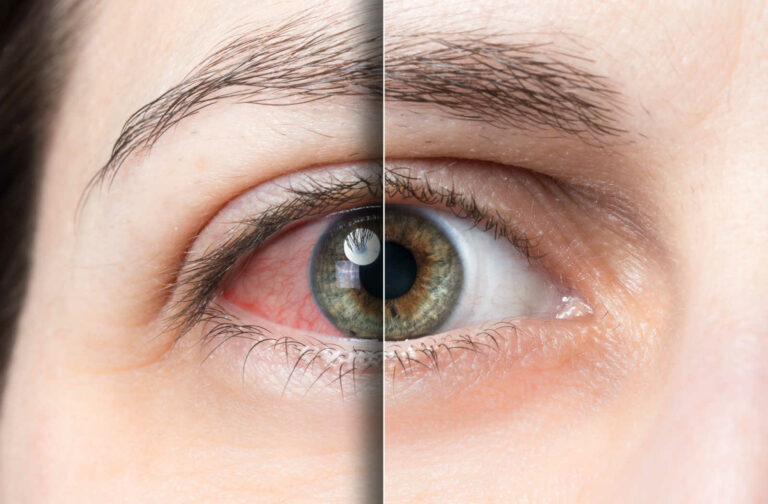
Do You Suffer from Dry Eyes with Contacts?
Contact lenses can help you improve your vision without relying on glasses. However, some people may experience dry, irritated eyes when wearing their lenses. You may wonder how you can manage this discomfort if it happens to you.
Visiting your eye doctor is the best way to manage dry eyes caused by contact lenses. They can determine the cause of your irritation and recommend specialty contact lenses or dry eye treatments to improve your symptoms.
What Is Dry Eye?
Dry eye occurs when your tears can’t keep your eyes moist, leading to discomfort. Dry eyes can have several causes, but all relate to your tear film. These 3 layers (mucus, water, and oil) work together to keep your eyes hydrated.
When problems occur in the tear film, it affects tear production or the quality of your tears, causing dry eyes.
Dry eye can be more than a nuisance—it can affect your quality of life. This condition can make it hard to focus or even wear contacts when you experience uncomfortable dry eye symptoms.
Some common dry eye symptoms include:
A stinging or burning sensation
Gritty eyes
Red eyes
Watery eyes
Blurry vision
Light sensitivity
Eye fatigue
Stringy mucus in or around the eyes
Discomfort wearing contact lenses
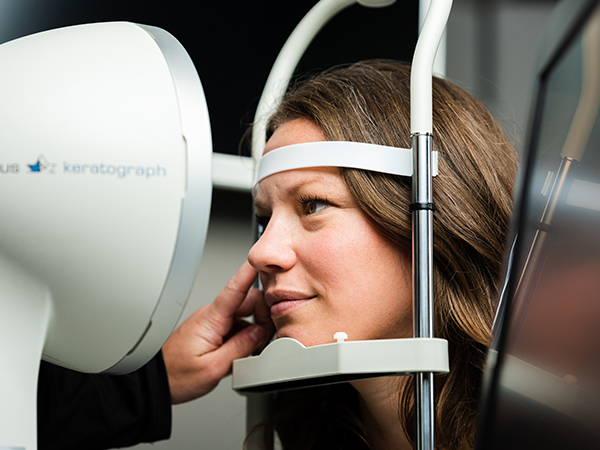
The best thing to do when you experience these symptoms is to visit your eye doctor. They can determine the cause of your dry eyes during an eye exam.
What Causes Dry Eye?
More than 16 million Americans have dry eyes and live with discomfort. This irritation occurs because of problems in the tear film. A healthy tear film keeps the eye hydrated, protected, and clear, but problems can arise and lead to dry eyes.
Problems with the tear film can lead to decreased tear production or increased tear evaporation.
Decreased Tear Production
Decreased tear production occurs when your body doesn’t produce enough tears to keep your eyes hydrated. The most common cause of this condition is aging. People tend to make fewer tears as they grow older.
Besides age, other causes of decreased tear production include:
Medical conditions
Medication use
Desensitized corneal nerves
Increased Tear Evaporation
Increased tear evaporation occurs when your tears dry out too quickly, causing dry eyes. This type of dry eye usually occurs due to problems with the oily layer of the tear film. The oil-producing glands (meibomian glands) around your eyes can experience issues and affect your tear film.
Causes of increased tear evaporation include:
Infrequent blinking
Eyelid problems
Eye allergies
Preservatives in eyedrops
Wind, smoke, or dry air
Vitamin A deficiency
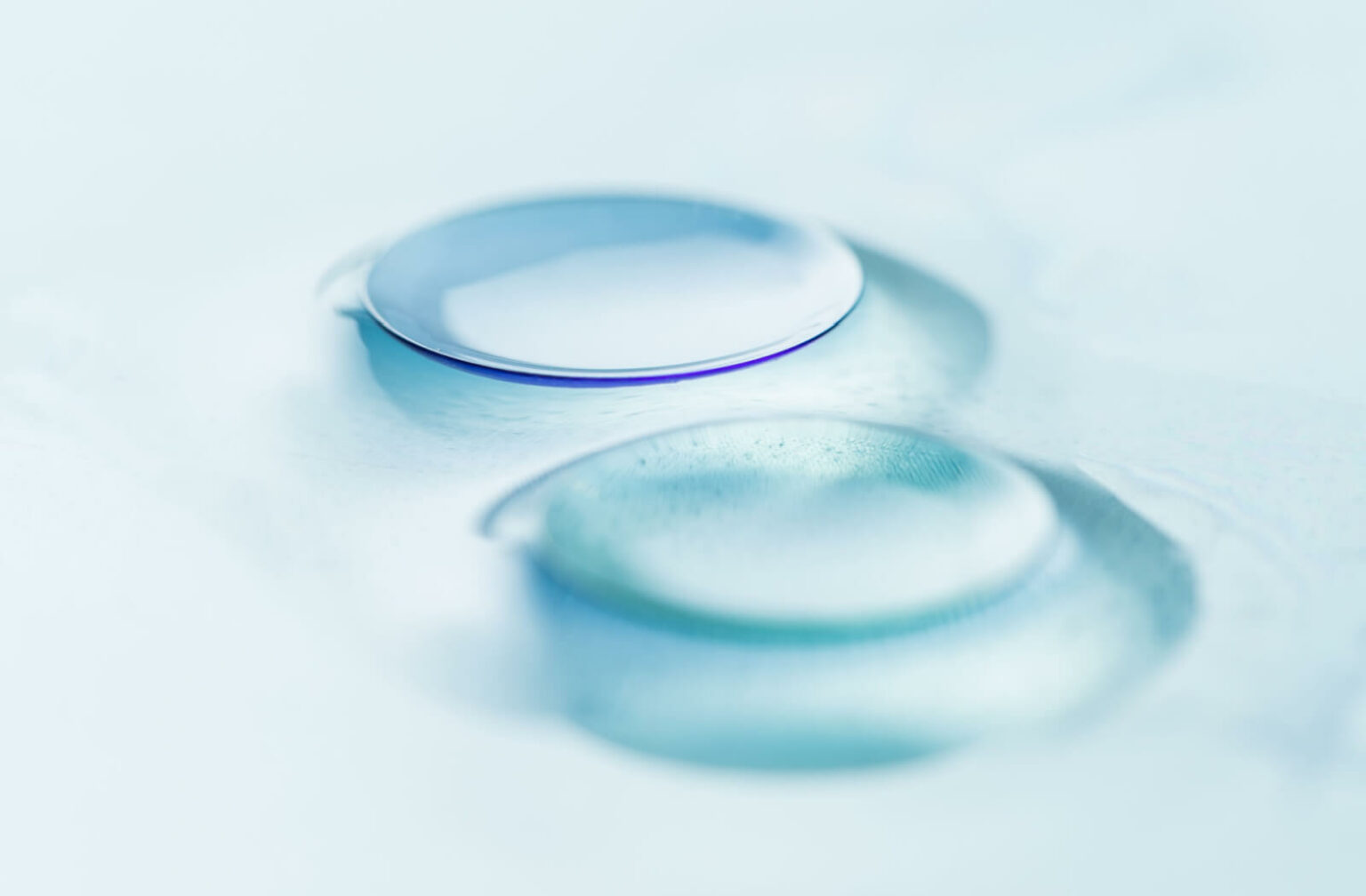
Do Contacts Cause Dry Eye?
If fitted properly, your contacts shouldn’t cause any problems. In certain cases, dry eyes can occur from overwearing your contacts too long or if you’re not using the right lenses.
Contacts can cause dry eyes for several reasons, including:
Overuse
Poor lens size
Wrong lens solution for cleaning and storing your lenses
Wrong lens material
It’s easy to assume dry eyes won’t happen to you, but this condition can occur even if you have the right lenses and follow your optometrist’s care instructions.
How to Prevent Dry Eye from Contacts
Tips to help prevent the uncomfortable symptoms of dry eye include:
Practice good hygiene by washing your hands thoroughly before handling your contacts
Be mindful of the duration you wear your contacts and avoid wearing them for extended periods, especially during activities that can cause eye strain or dryness
Follow the recommended wearing schedule and replace your lenses as instructed
Give your eyes regular breaks by removing your contacts and allowing your eyes to rest and breathe naturally
Consult your eye doctor for recommended dry eye treatment or a contact lens exam
How Can You Treat Dry Eye?
If dry eyes are a problem when wearing contacts, it’s important to visit your optometrist. They can determine the cause of your irritation and recommend ways to improve your symptoms.
Your eye doctor may fit you with new contacts, adjust your current lenses, or suggest dry eye treatments.
Have a Proper Contact Lens Exam
Dry eyes can occur because of poorly fitted contact lenses. New contacts may help prevent dry eye symptoms.
Visit your optometrist for a contact lens exam, and they can recommend the best lenses for your vision needs. Your eye doctor will work with you until you’re satisfied with your lenses.
Try Specialized Contact Lenses
Not all contacts are right for your needs. The wrong type of lenses may lead to dry eyes.
With today’s technology, specialized contact lenses can help prevent dry eyes. Your eye doctor can recommend the best lenses for your needs.
There are different factors to consider when choosing the right contact lenses, including:
Soft or rigid lenses
Water content
Lens material
Replacement frequency
Dry Eye Treatment
Treating dry eyes can help improve your comfort. Your optometrist has several ways to improve your symptoms, whether with in-office treatments or at-home products.
Some dry eye treatments your eye doctor may recommend include:
Enjoy Comfortable Contact Lenses
Don’t settle for lenses that leave you with dry eyes—always visit your eye doctor if your contacts don’t meet your needs. They can examine your eyes and recommend new contact lenses or dry eye treatments to improve your comfort.
Contact us at Restore Vision Center if you experience dry eye symptoms.

Hours of Operation
- Monday 9:00am - 5:30pm
- Tuesday 9:00am - 7:00pm
- Wednesday 9:00am - 5:30pm
- Thursday 9:00am - 5:30pm
- Friday 9:00am - 3:00pm
- Saturday Closed
- Sunday Closed
© 2026 Restore Vision Center. All rights Reserved. Accessibility Statement - Privacy Policy - Sitemap
Powered by:
