

The Link Between Dry Eyes & Headaches

You feel that familiar throb in your head, and at the same time, your eyes feel scratchy and irritated. This combination is a common concern for our patients at Restore Vision Center, and it’s easy to wonder if the two problems are connected.
While they’re separate conditions, dry eye disease and headaches often happen together because they can share common triggers. Understanding this connection is the first step toward finding relief for both.
What Is Dry Eye & What Does It Feel Like
Dry eye occurs when your tears do not provide enough moisture for your eyes. This can turn simple activities, like reading a book or working on your computer, into an uncomfortable chore.
Common Signs of Dry Eye
Some common signs of dry eye include:
Eye discomfort
Blurry vision
Redness
Sensitivity to light
Eye pain or fatigue
A gritty or scratchy feeling
Watery eyes—which is your body’s response to the irritation
Common Causes of Dry Eyes
Your lifestyle can affect how well your tears work. Your environment, personal habits, and even your overall health play a part in keeping your eyes properly lubricated. Contributors to dry eye include:
Environmental factors like air conditioning, heat, or wind
Long periods of screen use, which can lead to computer vision syndrome and lower how often you blink
Natural changes in tear production as you get older
Certain health conditions like autoimmune disorders or diabetes
Some medicines, such as antihistamines or antidepressants
The Connection Between Dry Eyes & Headaches
Dry eyes don’t directly cause headaches, but they can create discomfort that may lead to other eye issues that do. It often depends on how your body responds to eye irritation and strain.
Eye Strain & Fatigue
When your eyes are dry, they have to work harder to see clearly. This extra effort, or eye strain, can tighten the muscles in your head and neck, leading to a classic tension headache that feels like a dull, aching pain.

Light Sensitivity
You may find yourself squinting more in bright rooms or sunlight if you have dry eyes. This sensitivity to light is a known trigger for headaches in some people, making the experience much more intense.
Other Health Factors
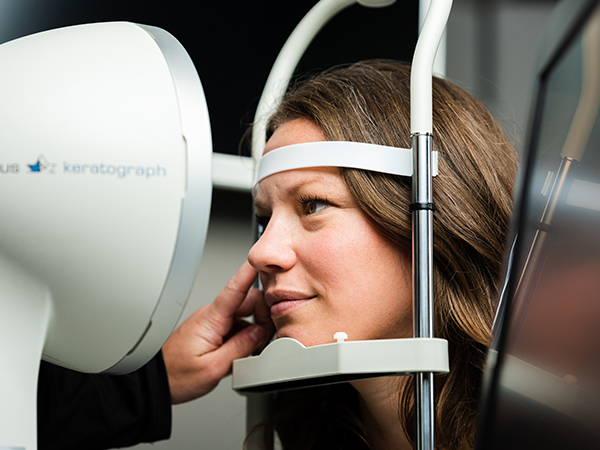
In some cases, an underlying health condition can cause both dry eyes and headaches. A thorough eye exam can help get a clearer picture of what might be contributing to your symptoms and rule out other health concerns.
Simple Ways to Prevent Dry Eyes & Headaches
By making small adjustments to your daily routine, you can help yourself manage both dry eyes and headaches.
Tips for Dry Eye Prevention
Try these simple habits to keep your eyes comfortable:
Follow the 20-20-20 rule—every 20 minutes, look at something 20 feet away for 20 seconds.
Use a humidifier to add moisture to the air in your home or office.
Wear wraparound sunglasses outside to protect your eyes from wind and sun.
Blink more often, especially when you use a computer or phone for a long time.
Tips for Headache Prevention
You can also take steps to manage headache triggers:
Drink plenty of water throughout the day.
Try gentle exercise and stretching to relieve tension.
Use relaxation methods like meditation or deep breathing to manage stress.
When to See Eye Doctors in League City
If you’ve tried these tips at home and your symptoms continue, it might be time to talk with a professional. Our eye doctors in League City can help uncover the cause of your discomfort and create a plan that works for you.
Professional Help for Dry Eyes
An eye care team might suggest a few different approaches to help your eyes feel better:
Artificial tears or eye drops: These can offer quick relief for dryness.
Prescription medicines: Some eye drops can help reduce inflammation and improve tear production.
Punctal plugs: These tiny plugs help keep your natural tears in your eyes longer.
Warm compresses: This can help improve the quality of your tears.
Professional Help for Headaches
For frequent headaches, a healthcare provider can discuss other options, such as pain relievers or different medications. Managing dry eyes and headaches often goes hand-in-hand. By paying attention to shared triggers, you can take positive steps toward feeling better. If you’re ready for a personalized approach to your eye health, our team at Restore Vision Center can help find a solution tailored to you and your family. Schedule a visit to get started.

Hours of Operation
- Monday 9:00am - 5:30pm
- Tuesday 9:00am - 7:00pm
- Wednesday 9:00am - 5:30pm
- Thursday 9:00am - 5:30pm
- Friday 9:00am - 3:00pm
- Saturday Closed
- Sunday Closed
© 2026 Restore Vision Center. All rights Reserved. Accessibility Statement - Privacy Policy - Sitemap
Powered by:
