

articles

Dry eye is a common condition that affects millions of people worldwide. It occurs when the eyes do not produce enough tears or when the tears evaporate too quickly. This can lead to discomfort, irritation, and even vision problems. If you are suffering from the discomfort of dry eye, MiBo Thermoflo can offer you a revolutionary solution.
Understanding the Causes of Dry Eye
Dry eye is a condition that occurs when the eyes do not produce enough tears or when the tears evaporate too quickly. There are several factors that can contribute to this condition, including environmental factors, certain medications, and aging. Environmental factors such as dry or windy climates, air conditioning, and excessive screen time can all worsen dry eye symptoms. Additionally, certain medications like antihistamines, decongestants, and diuretics can decrease tear production. Aging is also a common cause of dry eye, as tear production naturally decreases as we get older.
Meibomian gland dysfunction (MGD) and blepharitis are two common conditions that can contribute to the development of dry eye. MGD occurs when the meibomian glands, which are responsible for producing the oily layer of tears, become blocked or dysfunctional. This can lead to an inadequate amount of oil in the tears, causing them to evaporate too quickly. Blepharitis is an inflammation of the eyelids that can disrupt the normal functioning of the meibomian glands.

Dry eye is a common condition that occurs when your eyes do not produce enough tears or when the tears evaporate too quickly. This can result in discomfort, irritation, and a gritty sensation in the eyes. Understanding the causes and symptoms of dry eye is crucial for finding effective treatment options. Tyrvaya offers a breakthrough solution for dry eye relief.
What Causes Dry Eye?
There are several factors that can contribute to the development of dry eye. The meibomian glands are responsible for producing the oily component of the tear film, which helps prevent evaporation of tears and maintains a smooth ocular surface. Meibomian gland dysfunction occurs when these glands become blocked, leading to a decrease in the quantity and quality of the meibum. This can result in evaporative dry eye, discomfort, and inflammation of the eyelid margins.
Another common causes is age. As we get older, our tear production tends to decrease, making us more prone to dryness. Hormonal changes, such as those that occur during menopause, can also affect tear production and lead to dry eye.
Environmental factors can play a role as well. Dry or windy climates, air conditioning, and excessive screen time can all contribute to dry eye. Additionally, certain medications, such as antihistamines and antidepressants, can cause dryness as a side effect.
Other underlying health conditions, such as autoimmune diseases like Sjogren's syndrome or rheumatoid arthritis, can also contribute to dry eye. In these cases, the body's immune system mistakenly attacks the tear glands, leading to reduced tear production.

Dry eye isn’t always just “not enough tears.” Often, the surface of the eye is irritated and inflamed, so tears don’t stay smooth or stable. For some people with more severe symptoms, amniotic membrane therapy can help by acting like a protective bandage that calms the surface and supports healing.
What Are Amniotic Membranes?
Amniotic membranes are derived from the innermost layer of the placenta and are carefully processed for medical use. Amniotic membranes are used to support regeneration of the corneal surface.
They contain growth factors and biologically active components that:
Reduce inflammation
Promote tissue healing
Minimize scarring
Protect the surface of the eye
Because they are immune-privileged and thoroughly screened, they are considered safe and well.
How Do Amniotic Membranes Help Dry Eye?
In moderate to severe dry eye disease, chronic inflammation can damage the corneal surface. This damage can lead to persistent discomfort, fluctuating vision, and delayed healing.
Amniotic membranes work by acting as a biological bandage. Once placed on the eye, they:
Create a protective barrier over the cornea
Reduce surface inflammation
Encourage regeneration of healthy cells
Restore smoother corneal tissue
By addressing the underlying inflammation and surface damage, amniotic membranes do more than simply mask symptoms - they promote healing at the source.

Urgent eye care encompasses prompt evaluation and treatment of sudden or severe eye-related issues, including foreign object removal, chemical exposure, corneal abrasions, sudden vision loss, eye trauma, acute glaucoma, chemical burns, and eye infections. Seeking immediate professional attention from an optometrist is vital to prevent further damage and preserve vision.
Common Eye Emergencies or Urgent Eye Care Appointments
Eye emergencies can manifest in various forms, and it is essential to be able to identify them quickly. Some common eye emergencies include:
Foreign Object in the Eye: Particles, debris, or small objects can become lodged in the eye, causing pain, redness, tearing, and potential damage to the eye's surface.
Corneal Abrasions or Scratches: Injuries to the cornea, such as abrasions or scratches, can cause severe eye pain, light sensitivity, and a feeling of something in the eye.
Sudden Loss of Vision: Any sudden and unexplained loss of vision requires immediate attention to determine the underlying cause and initiate appropriate treatment.
Eye Trauma or Blunt Force Injury: Injuries to the eye from impact, trauma, or accidents can lead to serious complications, including retinal detachment, hemorrhage, or intraocular foreign bodies.
Chemical Burns: Exposure to caustic substances or chemicals can cause serious damage to the eyes, resulting in pain, redness, and potential vision loss.
Eye Infections: Infections such as conjunctivitis (pink eye) can cause redness, discharge, and discomfort in the eyes.
Recognizing these symptoms and seeking urgent care can prevent further complications.
The Importance of Basic Red Eye Exams in Urgent Care
Red eye exams are a fundamental part of urgent eye care. They help identify the cause of redness and determine the appropriate treatment. Basic red eye exams involve a comprehensive evaluation of the eye, including examining the eyelids, conjunctiva, cornea, and iris. These exams aid in the diagnosis and treatment of various conditions, such as conjunctivitis, uveitis, dry eyes, and corneal abrasions.

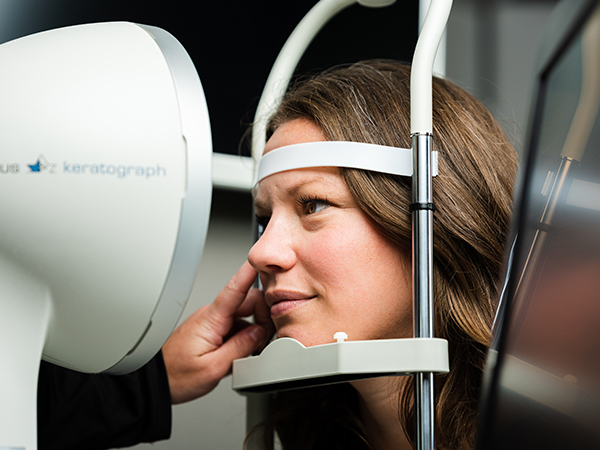
A tonometer refers to the equipment that is used in tonometry – a test that measures the pressure inside your eyes, also known as intraocular pressure or IOP for short. Tonometry is rarely performed at your average comprehensive eye exam unless you are at high risk of or have been already diagnosed with glaucoma. Fortunately, tonometry can be used to detect changes in eye pressure before they cause any symptoms, enabling prompt action to be taken before your vision is affected.
About Glaucoma
Glaucoma is a common eye condition that occurs when the optic nerve, which connects the eye to the brain, becomes damaged. It’s normally caused by fluid building up in the front part of the eye, which causes the pressure inside the eyes to build. As the pressure increases, the optic nerve becomes increasingly damaged, and this prevents messages from being transmitted between your eyes and brain effectively. As a result, the patient’s vision becomes compromised. Without treatment, the level of vision loss will continue to increase. Unfortunately, any vision that has been lost as a result of glaucoma cannot be restored.
Most of the time, glaucoma develops very slowly which means that many people don’t realize that they are affected until some damage to their vision has already occurred. However, occasionally glaucoma can develop quickly, and symptoms do occur.
Glaucoma symptoms can include:
Red eyes
Intense headaches
Tenderness around the eyes
Eye pain
Seeing rings/halos around lights
Blurred vision
Nausea and vomiting
If you notice any of these symptoms, it’s important that you make an appointment with your eye doctor right away so that you can be assessed. You are likely to have a tonometry test as part of this assessment.

Clear Lens Extraction (CLE) is a surgical procedure that involves the removal of the natural lens of the eye and replacing it with an artificial lens implant, also known as an intraocular lens (IOL). CLE is primarily performed to correct refractive errors, such as nearsightedness, farsightedness, and astigmatism.
Understanding CLE and How It Works
Clear Lens Extraction is similar to cataract surgery, where the natural lens is removed and replaced with an IOL. However, in CLE, the lens is clear and not clouded as in the case of cataracts. The procedure begins with the administration of local anesthesia to numb the eye and ensure a painless experience for the patient.
Once the eye is numb, a small incision is made on the cornea, which is the clear front surface of the eye. Through this incision, your eye surgeon accesses the lens and carefully removes it. The artificial IOL is then inserted into the empty lens capsule. The IOL is specifically chosen to correct the patient's refractive error, providing them with improved vision.
After the IOL is implanted, the incision is closed with tiny sutures or self-sealing techniques. Following the surgery, patients are usually prescribed antibiotic and anti-inflammatory eye drops to prevent infection and reduce inflammation.
Factors to Consider Before Undergoing Clear Lens Extraction
Before deciding to undergo Clear Lens Extraction, there are several factors that need to be considered. Firstly, it is crucial to have a thorough eye examination to determine if you are a suitable candidate for the procedure. Your optometrist will evaluate your overall eye health and discuss your expectations and goals for vision correction.
Age is another important factor to consider. CLE is typically recommended for individuals over the age of 40 who have developed presbyopia, a condition that affects near vision. It is also important to have stable vision, as any changes in prescription can affect the accuracy of the IOL power calculation.
Additionally, it is essential to understand the potential risks and complications associated with the procedure. While CLE is generally safe, there is a small risk of infection, bleeding, and retinal detachment. Your optometrist will discuss these risks with you and address any concerns you may have.
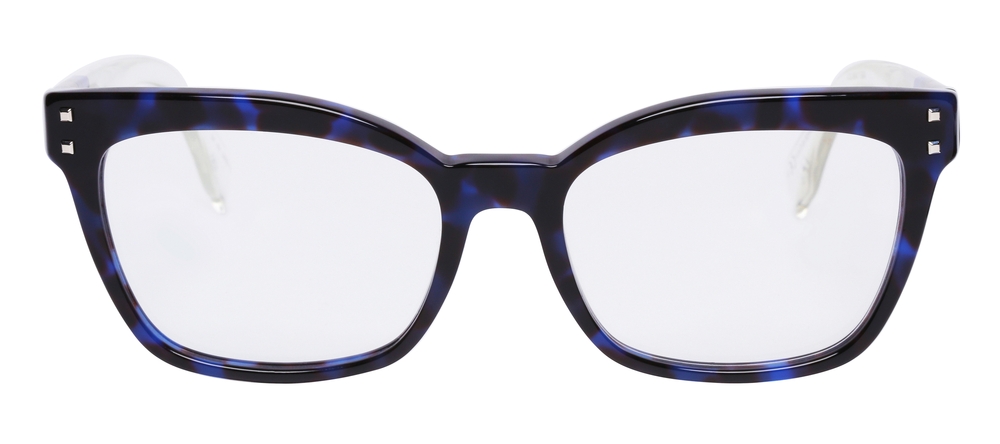
Technology continues to blur the lines between style and functionality - and Nuance Audio Glasses are a perfect example of this evolution. Designed to look like everyday eyewear, these innovative glasses feature built-in hearing enhancement technology that helps users hear conversations clearly while maintaining natural, effortless vision.
What Are Nuance Audio Glasses?
Nuance Audio Glasses are smart eyeglasses designed to provide both vision correction and enhanced hearing. Developed by Nuance Hearing, these glasses discreetly integrate directional microphones, miniature speakers, and Bluetooth connectivity into the frame - allowing wearers to improve their hearing experience without traditional hearing aids. By combining hearing technology with fashionable eyewear, Nuance Audio Glasses offer a seamless, everyday solution for individuals who want better hearing support without drawing attention to their device.
How Nuance Audio Glasses Work
The technology behind Nuance Audio Glasses focuses on selective sound amplification and speech clarity. The glasses use beamforming microphones to focus on voices in front of the wearer while reducing background noise. The enhanced sound is then transmitted through tiny speakers near the ears, allowing users to hear clearly without the occlusion effect common with in-ear devices.
This open-ear design keeps the ear canals unobstructed, promoting natural hearing while boosting important speech frequencies - ideal for conversations in noisy environments like restaurants or social gatherings.

If you have recently undergone eye surgery, your eye doctor may recommend the use of post-surgical contact lenses as part of your recovery process. These specialized lenses are designed to aid in the healing and protection of your eyes after surgery.
Why Post-Surgical Contact Lenses May Be Necessary
After eye surgery, your eyes are in a delicate state and require extra care to ensure proper healing. Post-surgical contact lenses can play a crucial role in this process. These lenses act as a protective barrier, shielding your eyes from irritants such as dust, debris, and bright lights. They also help to maintain the shape of the cornea and aid in the prevention of infection. By wearing post-surgical contact lenses, you can minimize the risk of complications and promote a faster and smoother recovery.
Different Types of Post-Surgical Contact Lenses
There are various types of post-surgical contact lenses available, and the specific type recommended for you will depend on the nature of your surgery and your eye condition. One common type is the bandage contact lens, which is a soft, therapeutic lens that covers the cornea, providing protection and promoting healing.
Another type is scleral lenses, which is larger and covers a larger portion of the eye, providing enhanced protection and support. Your optometrist will determine the most suitable type of post-surgical contact lens for your individual needs.

Myopia is a common vision problem affecting a large number of individuals worldwide. It occurs when the eye is unable to focus properly on distant objects, resulting in blurred vision. Myopia can develop during childhood and progress into adulthood if left unmanaged.
What Causes Myopia to Develop?
Myopia can be caused by a combination of genetic and environmental factors. If one or both parents have myopia, there is a higher chance that their children will develop the condition. Additionally, excessive screen time, lack of outdoor activities, and prolonged near-work activities such as reading or using electronic devices can contribute to the development of myopia. These lifestyle factors can lead to the elongation of the eyeball, resulting in the inability to focus on distant objects.
The Importance of Myopia Management
Managing myopia is crucial to prevent its progression and associated complications. High levels of myopia can increase the risk of developing eye conditions such as glaucoma, cataracts, and retinal detachment.
Additionally, severe myopia can lead to vision loss and significantly impact the quality of life. Early intervention and proper management of myopia can help slow down its progression and reduce the risk of these complications.

Our eyes are extremely delicate, yet they can be subjected to harsh conditions and other environmental factors that affect their health. One of the problems that can affect our eyes is an accumulation of dirt, debris and bacteria on the eyelids. This can cause a range of issues, including stopping tear film from reaching the eyes and being properly dispersed over their surface – which is necessary to keep them healthy and comfortable. Fortunately, a new solution called Blephex® can help.
What is Blephex®?
Blephex® is a handheld electro-mechanical device that is applied to the margins of the eyelids with the purpose of cleaning them and improving the effectiveness with which tear film flows onto the surface of the eyes.
Blephex® has a disposable, surgical-grade sponge tip which rapidly oscillates to create a cleaning action. Before the sponge tip is placed onto the eyes, it is soaked in a gentle exfoliating solution. This solution provides soft abrasion to help remove dead skin cells and debris that could be irritating the eyes and interrupting tear film progression. The Blephex® device is manually applied to the eyes and moved gently across the eyelids, with the entire, painless process taking approximately 6 to 8 minutes per eye. A different sponge is used on each eye, ensuring that no bacteria is passed between them. After the procedure, patients are given instructions on how to maintain the cleanliness of their eyelids with daily/nightly eyelid hygiene at home.
Most patients experience a significant improvement in tear film production and dispersal, and a reduction in unpleasant symptoms that they may have been experiencing within 48 hours of their treatment. While a single treatment is normally enough to produce excellent results, many patients are advised to have Blephex® every 4-6 months.

Hours of Operation
- Monday 9:00am - 5:30pm
- Tuesday 9:00am - 7:00pm
- Wednesday 9:00am - 5:30pm
- Thursday 9:00am - 5:30pm
- Friday 9:00am - 3:00pm
- Saturday Closed
- Sunday Closed
© 2026 Restore Vision Center. All rights Reserved. Accessibility Statement - Privacy Policy - Sitemap
Powered by:
